

US rejects genetic engineering in eucalyptus trees
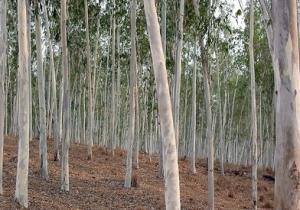
US rejects genetic engineering in eucalyptus trees
The US public have rejected the possibility of genetically-engineered eucalyptus trees, giving more weight to the sustainable development option.
We were pleased to learn that the vast majority (99.99 percent) of people questioned during the USDA APHIS public comment period were against the legalisation of genetically engineered trees.
Genetic engineering (GE) has been considered as an option to help supply the demand for more timber and cheaper costs. A similar situation has taken place within the food industry where ongoing pressure mounts against farmers to provide more for less.
This particular vote was in relation to a petition by GE tree company ArborGen, which had requested permission to commercially sell their GE freeze tolerant eucalyptus trees.
Anne Petermann, global justice ecology project executive director, and coordinator of the campaign to stop GE trees, remarked that "the people of the US issued a firm demand to APHIS to reject, invasive, flammable GE eucalyptus trees".
This issue has come to light in the US but GE trees are a concern in other areas around the world. Rural communities in Brazil have been particularly keen to keep such trees out of their forests, while the UN Convention on Biological Diversity has warned countries around the globe of the social and ecological dangers of GE trees.
But eucalyptus has a wide variety of uses and is an essential crop for biofuel production, as well as paper production and raw use. This has helped it to become the most commonly developed commodity pulp lumber in higher rainfall areas throughout the world.
Brazil, however, remains one of the most productive ecosystems for growing eucalyptus and between the 1990s and 2005, Brazilian exports of the product rose from $1 billion to $3.5 billion.
We've been working hard to capitalise on this investment potential, while maintaining a sustainable model for the future. This involves considering the high yield opportunities in Brazil alongside the country's ecosystem and local communities to provide a future that doesn't require the genetic modification of trees or the abuse of land systems to turn a healthy profit.


