

Deforestation of Brazilian forests present a no-win situation
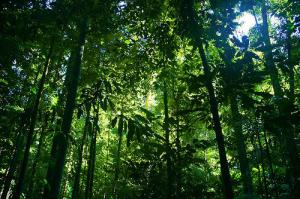
Deforestation of Brazilian forests present a no-win situation
Sustainable forestry plantations are needed more than ever in Brazil in order to maintain the productivity of the country's land. In fact, the country's agricultural economy has little option but to cut down on deforestation if it is to maintain Brazil's fertile ground and high rates of productivity.
A recent paper from Brazilian and US scientists, published in the journal Environmental Research Letters, has predicted significant drops in the country's agricultural productivity if current levels of deforestation continue.
The study warned: “The more agriculture expands in the Amazon, the less productive it will become.” The next statement in the paper is worth paying particular attention to: “In this statement, we all lose.”
We've built our business on the very concept that nobody should have to lose out in order for a forest to be profitable. We have established plantations around Brazil that have sustainability built into their ethos in order to tackle this issue, but studies like this are sorely needed to push sustainable forestry plans and other alternatives to excess deforestation.
Failing to tackle the issue will bring some serious risks, not only for the global environment, but for Brazil's own economic development. Based on existing trends of deforestation, the loss of carbon sequestration and related feedbacks on biomass, temperature and rainfall mean that a 34 per cent fall in pasture productivity is predicted for 2050. Soya bean yields, one of the most profitable crops in Brazil, are also predicted to drop by 28 per cent over the same time period.
Given that one of the major drivers for deforestation is the clearing of land for agriculture, the news that doing so is damaging yields is clearly an issue that needs to be tackled soon. The report observed: “It was a surprise to us that high levels of deforestation could be a no-win scenario – the loss of environmental services from the deforestation may not be offset by an increase in agricultural production.”


